
At GLP Diet Miami, we take a personalized approach to Testosterone Replacement Therapy (TRT), focusing on helping men optimize hormone levels and improve overall well-being. When properly managed, TRT may help support energy, body composition, mood, libido, physical performance, and quality of life for men experiencing symptoms of low testosterone.
One important component that may be incorporated into certain TRT protocols is Human Chorionic Gonadotropin (hCG). For men diagnosed with hypogonadism, commonly known as low testosterone, hCG can play a valuable role in supporting hormone balance throughout treatment.
What Is hCG?
Human Chorionic Gonadotropin (hCG) is a naturally occurring hormone that can stimulate the body’s testosterone-producing mechanisms. In some cases, healthcare providers use hCG alongside TRT to help support normal testicular function and maintain a more balanced hormonal environment.
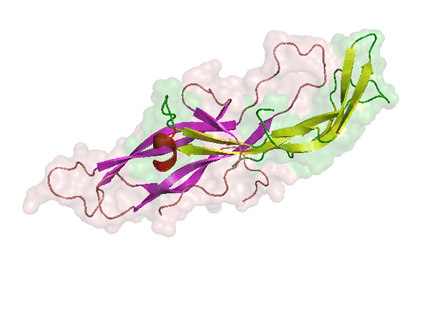
The hCG polypeptide
As we’ll explore below, hCG may help support overall hormone balance during Testosterone Replacement Therapy. By addressing more than just testosterone levels alone, a comprehensive TRT program can help optimize treatment outcomes while supporting long-term health and wellness.
Before discussing the specific benefits of hCG for TRT, it’s important to understand why maintaining balanced hormone levels is essential for successful testosterone therapy.
Why Hormone Balance Matters During Testosterone Replacement Therapy
Testosterone Replacement Therapy can be highly effective for men experiencing symptoms of low testosterone, but successful treatment involves more than simply increasing testosterone levels. The body’s hormones work together through a complex network of signaling pathways designed to maintain balance and overall health.
When testosterone levels are altered, other hormones involved in the reproductive and endocrine systems may also be affected. This is why comprehensive monitoring and individualized treatment plans are important throughout the TRT process.
One of the primary systems involved in testosterone regulation is the Hypothalamic-Pituitary-Gonadal (HPG) Axis. This communication network connects the brain and reproductive organs, helping regulate testosterone production and maintain hormonal balance.
When testosterone is introduced through TRT, the body’s natural signaling processes can change. Without proper medical oversight, these changes may affect hormone production and overall endocrine function.
By carefully monitoring hormone levels and, when appropriate, incorporating therapies such as hCG, healthcare providers can help support a more balanced approach to testosterone optimization. The goal is not simply higher testosterone levels, but a healthy hormonal environment that supports energy, wellness, sexual health, and long-term quality of life.
Understanding how the HPG axis functions helps explain why hormone balance is so important to successful Testosterone Replacement Therapy.
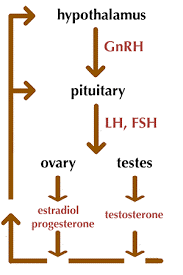
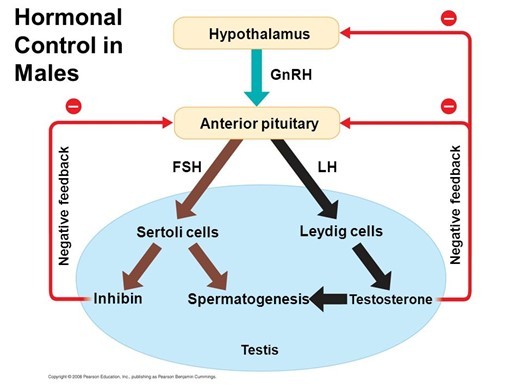
The Hypothalamic-Pituitary-Gonadal (HPG) Axis plays a central role in regulating male reproductive health and hormone production. This system involves communication among the hypothalamus, pituitary gland, and testes, helping to regulate testosterone production, sperm development, and overall hormonal balance.
During Testosterone Replacement Therapy (TRT), these natural signaling pathways may be affected as the body responds to externally administered testosterone. This is why proper medical supervision and ongoing monitoring are essential throughout treatment.
Several important hormones work together within the HPG axis, including:
- Luteinizing Hormone (LH)
- Follicle-Stimulating Hormone (FSH)
- Gonadotropin-Releasing Hormone (GnRH)
- Intratesticular Testosterone
These hormones help regulate normal testosterone production and reproductive function. In particular, LH and FSH act as key messengers between the brain and the testes, supporting testosterone synthesis and sperm production.
Because hormone systems are interconnected, a comprehensive TRT program focuses on maintaining overall hormonal balance rather than addressing testosterone levels alone. In some cases, healthcare providers may incorporate therapies such as hCG to support testicular function and help optimize treatment outcomes.
A personalized approach that includes regular laboratory testing and medical oversight can help ensure that hormone therapy is tailored to each patient’s unique health needs and wellness goals.
Why Proper TRT Management Is Essential
Testosterone Replacement Therapy can be highly effective for men with clinically low testosterone, but treatment should always be carefully monitored by qualified healthcare professionals. Because testosterone production is regulated through the body’s hormonal feedback systems, changes in one hormone can influence several others involved in reproductive and overall health.
During TRT, the body’s natural production of certain hormones—including Luteinizing Hormone (LH), Follicle-Stimulating Hormone (FSH), and intratesticular testosterone—may decrease. These changes can affect normal testicular function and may be an important consideration for men who wish to preserve fertility.
For this reason, healthcare providers often evaluate each patient’s reproductive goals, hormone levels, and overall health before developing a treatment plan. In some cases, additional therapies such as Human Chorionic Gonadotropin (hCG) may be considered to help support normal testicular function during treatment.
Without appropriate monitoring and individualized care, hormone imbalances can increase the likelihood of unwanted side effects. Potential side effects associated with testosterone therapy may include:
- Acne or oily skin
- Fluid retention
- Breast tissue enlargement (gynecomastia)
- Changes in red blood cell levels
- Mood fluctuations
- Changes in reproductive function
It is important to note that not every patient experiences these effects, and treatment outcomes vary based on individual health factors, dosage, monitoring, and overall treatment strategy.
A comprehensive TRT protocol focuses on more than simply increasing testosterone levels. The goal is to optimize hormone balance, monitor health markers, and adjust treatment as needed to support both short-term symptom improvement and long-term wellness.
One approach that may be used in certain cases is the addition of hCG, which can help support hormonal balance and normal testicular activity during Testosterone Replacement Therapy. Understanding how hCG works can help explain why it is often included in personalized TRT programs.
How Does hCG Improve Hormone Balance During TRT?
Based on the risks discussed above, obviously a proven method of preventing these disruptions to hormone balance is in order. That’s where hCG enters the equation.
How Does hCG Optimize ITT Levels During Therapy?
Maintaining high intratesticular testosterone (ITT) levels – including the ratio of ITT to serum testosterone — is necessary for sperm production:
“Testosterone is synthesized and secreted from the Leydig cells of the testicular interstitium when stimulated by LH (5). Intratesticular testosterone (ITT) mediates its effects by binding to the androgen receptor, which is found in Leydig cells, Sertoli cells, and peritubular cells but is not present in developing germ cells. Intratesticular testosterone concentrations in normal men are approximately 100 times those in serum.”
Unfortunately, as seen in clinical studies, TRT can disrupt this roughly 100:1 optimal ratio of intratesticular to serum testosterone.
In such cases, TRT negatively impacts the HPG axis discussed earlier, lowers ITT levels, and in turn hinders spermatogenesis:
“TRT… can suppress the hypothalamic-pituitary-gonadal (HPG) axis resulting in diminution of spermatogenesis.”
hCG supplementation during and after TRT helps to replace ITT lost during therapy and, in turn, to restore sperm production to healthy levels:
“Exogenous testosterone supplementation decreases sperm production. Studies of hormonal contraception indicate that most men have a return of normal sperm production within 1 year after discontinuation. Clomiphene citrate is a safe and effective therapy for men who desire to maintain future potential fertility. Although less frequently used in the general population, hCG therapy with or without testosterone supplementation represents an alternative treatment.”
How Can hCG Support Hormone Balance During TRT?
One of the primary goals of a well-designed Testosterone Replacement Therapy (TRT) program is maintaining healthy hormone balance while helping patients achieve symptom relief. In certain cases, healthcare providers may incorporate Human Chorionic Gonadotropin (hCG) into a treatment plan to help support this objective.
Supporting Normal Testicular Function During TRT
The testes naturally produce testosterone in response to signals from Luteinizing Hormone (LH). Because TRT introduces testosterone from an external source, the body’s natural signaling pathways may become less active over time.
For some patients, hCG may be prescribed because it can act similarly to LH, helping stimulate the testes and support normal testicular activity during treatment.
hCG and Fertility Considerations
For men who wish to maintain fertility or preserve future reproductive options, hormone balance becomes especially important. Testosterone therapy can affect the body’s natural production of hormones involved in sperm development, which is why fertility goals should be discussed before beginning treatment.
In certain situations, healthcare providers may use hCG as part of a comprehensive treatment strategy designed to support reproductive health and maintain normal testicular function during TRT.
A Personalized Approach to Hormone Optimization
Every patient responds differently to testosterone therapy. Factors such as age, medical history, baseline hormone levels, symptoms, and fertility goals all play a role in determining the most appropriate treatment plan.
When medically appropriate, hCG may be incorporated into TRT protocols to help:
- Support normal testicular function
- Promote overall hormone balance
- Complement individualized testosterone therapy plans
- Address specific reproductive health considerations
- Support long-term wellness goals
The Importance of Professional Monitoring
Hormone optimization requires ongoing evaluation and monitoring. Regular laboratory testing allows healthcare providers to assess hormone levels and make adjustments as needed to help patients achieve safe and effective outcomes.
Rather than focusing solely on testosterone levels, comprehensive TRT programs consider the entire hormonal system. This personalized approach helps support overall health, treatment effectiveness, and long-term quality of life.
The potential role of hCG during TRT highlights the importance of individualized care and balanced hormone management throughout the treatment process.
How Can hCG Support FSH Levels During TRT?
Follicle-Stimulating Hormone (FSH) plays an important role in male reproductive health and normal sperm production. Because Testosterone Replacement Therapy can affect the body’s natural hormone signaling, maintaining hormonal balance is an important part of successful treatment.
In some cases, healthcare providers may incorporate hCG into a TRT protocol to help support normal testicular function and overall reproductive health. By taking a comprehensive approach to hormone optimization, providers can create personalized treatment plans that align with each patient’s wellness and fertility goals.
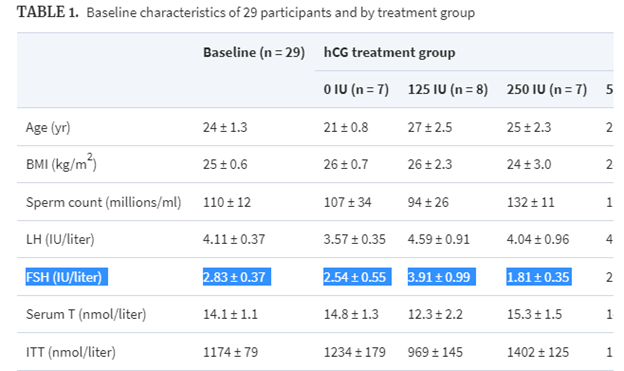
Source: The Journal of Clinical Endocrinology & Metabolism
How Can hCG Support LH Levels During TRT?
Luteinizing Hormone (LH) helps regulate the body’s natural testosterone production. During TRT, natural LH production may decrease, which can affect overall hormone balance.
In some cases, healthcare providers prescribe hCG alongside TRT because it can mimic certain LH functions, helping support normal testicular activity and hormone optimization. This personalized approach may help support reproductive health and overall treatment outcomes.
Is hCG Safe for Men?
When prescribed and monitored by a qualified healthcare provider, hCG is generally well tolerated by many men undergoing Testosterone Replacement Therapy. Research suggests that relatively low doses of hCG may help support normal testicular function and hormone balance during treatment while minimizing the risk of side effects.
For some patients, healthcare providers may incorporate low-dose hCG into a personalized TRT protocol to help support reproductive health and overall hormone optimization. The appropriate dosage and treatment schedule will vary based on individual needs, medical history, and treatment goals.
As with any hormone therapy, regular monitoring and professional medical supervision are important to help ensure treatment remains safe, effective, and aligned with each patient’s long-term health objective.Learn more about hCG from the Cleveland Clinic and hormone health information from the Hormone Health Network.
The Bottom Line on hCG for TRT
For some men undergoing Testosterone Replacement Therapy, hCG can be an important part of a comprehensive hormone optimization plan. By helping support hormone balance and normal testicular function, hCG may complement TRT and contribute to overall treatment success.
The key to effective hormone therapy is a personalized approach that considers your symptoms, health history, hormone levels, and long-term wellness goals. With proper medical supervision and ongoing monitoring, TRT and hCG can be tailored to meet your individual needs.
If you’re exploring Testosterone Replacement Therapy or have questions about hormone health, our team is here to help. Contact us today to learn more about personalized hormone optimization and discover a treatment plan designed to help you feel your best. Schedule a Consultation to discuss your hormone health goals with an experienced provider.